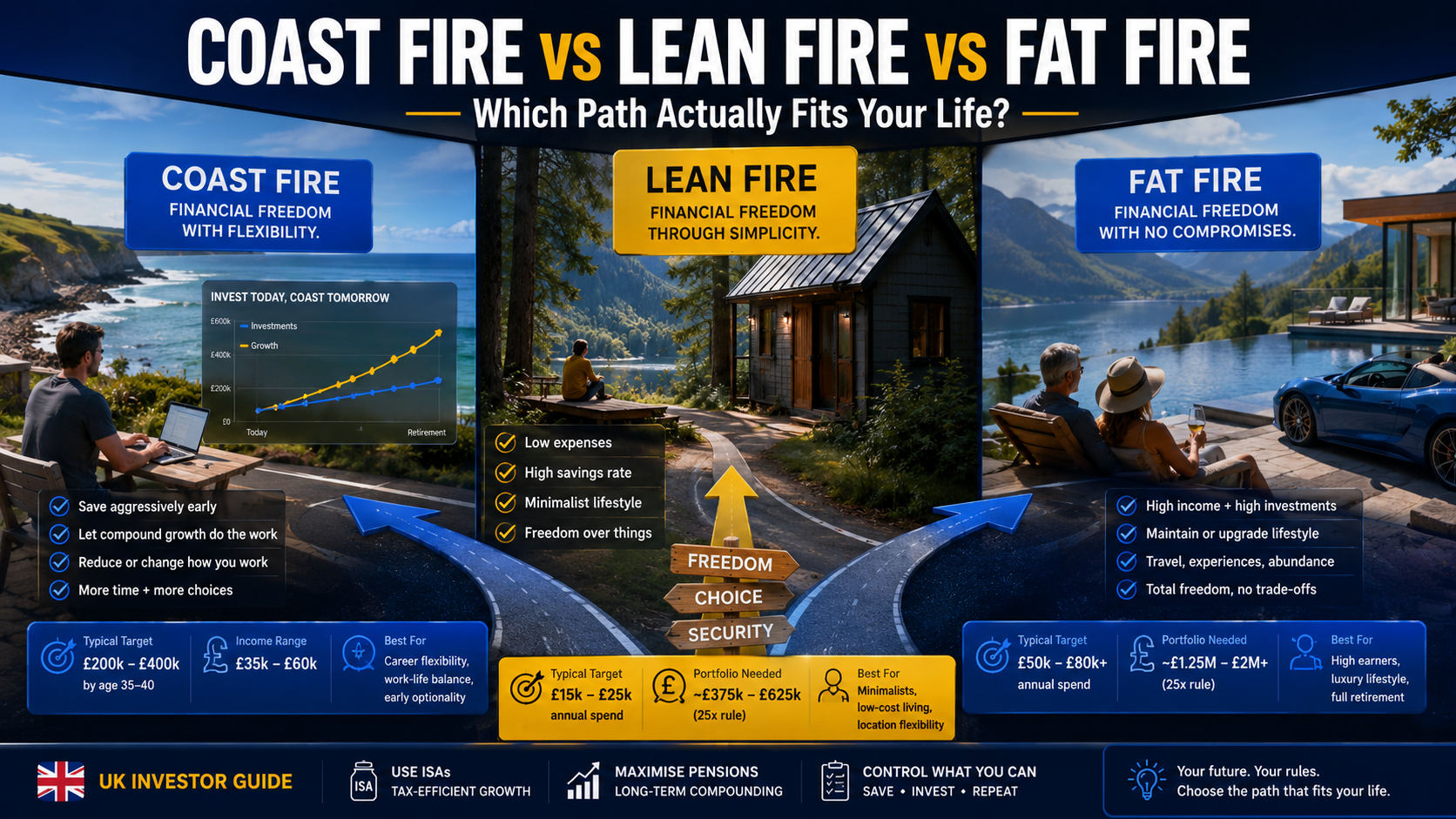
For many people, retirement is something that happens in their late 60s. The Financial Independence, Retire Early movement, better known as FIRE, challenges that assumption. Instead of working until State Pension age, FIRE followers aim to build enough wealth to achieve financial independence years, or even decades, earlier.
While retiring 10 years ahead of schedule might sound ambitious, it is far more achievable than many people realise. The key is not necessarily earning an enormous salary. Instead, it comes down to increasing your savings rate, investing consistently and making full use of the UK's generous tax-efficient investment accounts.
With growing concerns around retirement preparedness, there is increasing interest in alternative approaches. A government-backed Pensions Commission report recently warned that at least 15 million Britons may not be saving enough for retirement. The report also found that around 45% of working-age adults are not contributing to a pension.
For those willing to take a more proactive approach, FIRE offers a roadmap to greater financial freedom and potentially retiring a decade earlier than expected.
What Is FIRE and Why Is It Growing in Popularity?.
FIRE stands for Financial Independence, Retire Early. The concept revolves around building investment assets large enough to cover living expenses without relying on employment income.
Rather than focusing solely on retirement, FIRE encourages individuals to maximise savings, reduce unnecessary spending and invest surplus income into wealth-building assets such as index funds, ISAs and pensions.
The appeal is clear. Rising living costs, economic uncertainty and concerns about future pension adequacy have led many people to seek greater control over their financial future. For some, FIRE means stopping work entirely. For others, it means having the freedom to work fewer hours, start a business or pursue personal passions without financial pressure.
Step 1: Increase Your Savings Rate Aggressively.
The biggest driver of early retirement is not investment returns. It is your savings rate.
Traditional retirement planning often encourages saving 10% to 15% of income. FIRE followers frequently target savings rates of 30%, 40% or even 50% of their earnings.
Why does this matter?
Every pound saved today serves two purposes. First, it increases the amount available for investment. Second, it reduces the lifestyle costs your future portfolio will need to support.
For example, someone earning £50,000 and saving 10% annually will accumulate wealth far more slowly than someone saving 40%, even if both achieve identical investment returns.
Many FIRE advocates focus on areas such as:
- Reducing housing costs
- Eliminating high-interest debt
- Avoiding lifestyle inflation
- Automating savings contributions
- Increasing income through side hustles or career progression
The higher the savings rate, the shorter the journey to financial independence.
Step 2: Build an Emergency Fund First.
Before investing aggressively, establish a financial safety net.
Most experts recommend holding between three and six months of essential expenses in accessible cash savings. This emergency fund helps protect long-term investments from being sold during market downturns or unexpected financial shocks.
An emergency fund is not designed to generate high returns. Its purpose is stability and flexibility.
Once this foundation is in place, you can invest with greater confidence.
Step 3: Maximise Your Stocks and Shares ISA.
One of the most powerful tools available to UK investors is the Stocks and Shares ISA.
Any investment growth, dividends and capital gains generated inside an ISA are free from UK income tax and capital gains tax. The annual ISA allowance remains £20,000, making it one of the most valuable tax shelters available to investors.
The popularity of ISAs continues to grow. HMRC data shows that total ISA subscriptions reached a record £103 billion during the 2023-24 tax year.
For FIRE investors, a Stocks and Shares ISA offers an important advantage over pensions. Funds can generally be accessed at any age without early withdrawal penalties.
This flexibility makes ISAs particularly useful for anyone planning to retire before traditional pension access ages.
Step 4: Invest in Low-Cost Index Funds.
Trying to pick winning stocks consistently is difficult, even for professional fund managers.
That is why many FIRE investors prefer low-cost index funds.
Index funds simply track the performance of a stock market index such as the FTSE All-World Index or S&P 500. Rather than attempting to outperform the market, they aim to match market returns while keeping fees low.
Benefits include:
- Broad diversification
- Lower costs
- Reduced risk from individual company failures
- Minimal maintenance
Passive investing also aligns perfectly with the FIRE philosophy because it allows investors to focus on long-term wealth creation rather than short-term market predictions.
The combination of regular investing and compound growth can create significant wealth over time.
Step 5: Don't Ignore Your Pension.
Although ISAs provide flexibility, pensions remain one of the most tax-efficient investment vehicles available.
Pension contributions benefit from tax relief, meaning the government effectively boosts your investment contributions. Workplace pensions may also include valuable employer contributions.
For higher-rate taxpayers, pension contributions can provide particularly attractive tax savings.
Government analysis suggests a median earner who participates in workplace pensions throughout their career could replace approximately 67% of their pre-retirement income through private and state pensions combined.
A common FIRE strategy involves balancing ISA investing with pension contributions.
ISAs can help fund the years between early retirement and pension access, while pensions support later retirement decades.
Step 6: Understand Your FIRE Number.
Every FIRE journey begins with a target.
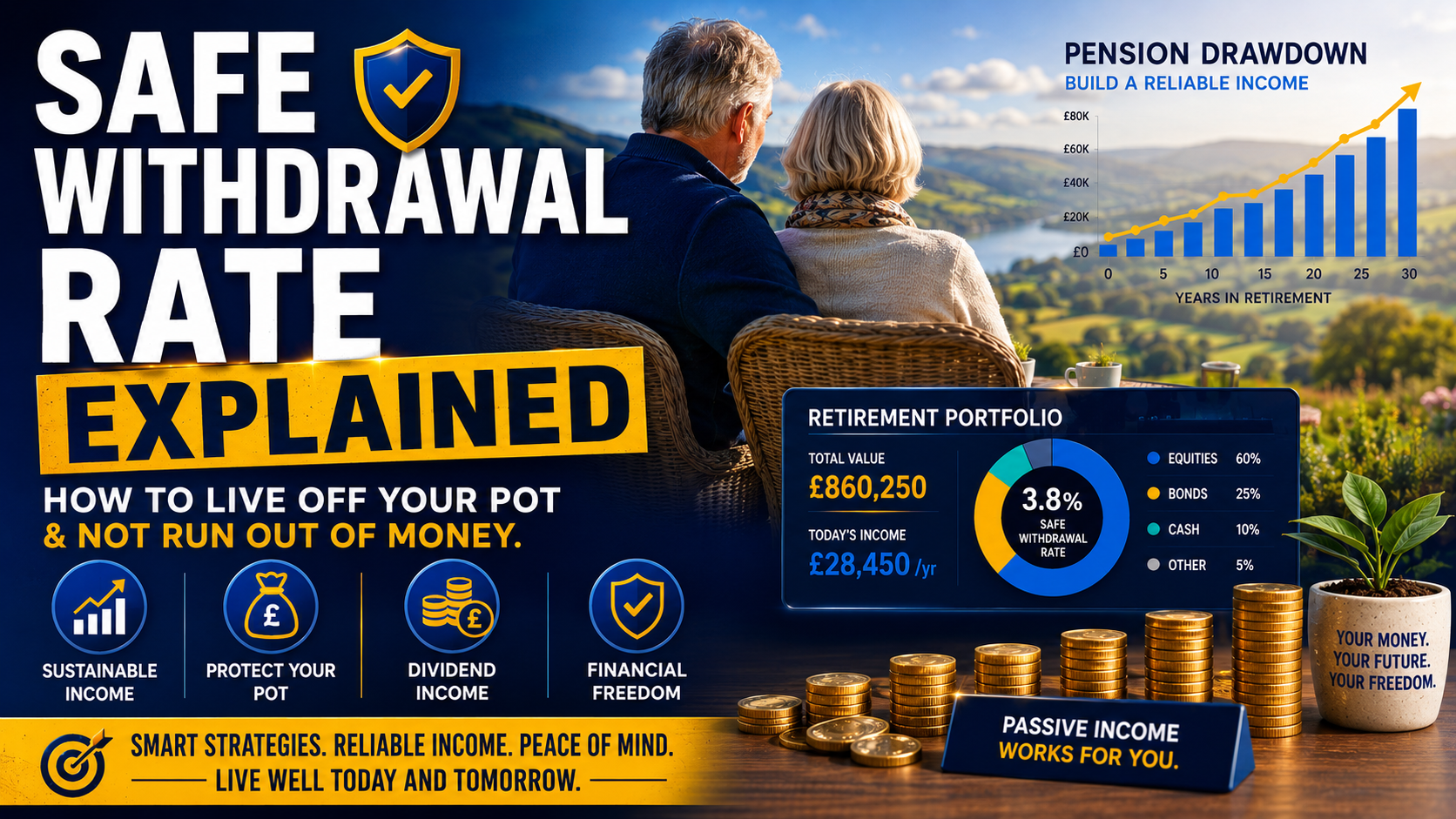
Many investors use the 4% rule as a starting point. Under this approach, a portfolio can potentially sustain annual withdrawals equal to roughly 4% of its value.
For example:
- Annual spending: £30,000
- Target portfolio: £750,000
This is calculated by multiplying annual expenses by 25.
The lower your annual spending, the smaller the portfolio required to achieve financial independence.
This is why FIRE focuses heavily on controlling lifestyle costs alongside investment growth.
Step 7: Increase Earnings as Well as Savings.
While reducing expenses helps, there is a limit to how much spending can be cut.
Income growth, however, has far fewer limits.
Many successful FIRE followers focus heavily on:
- Career advancement
- Professional qualifications
- Business ownership
- Freelancing
- Additional income streams
Even modest salary increases can dramatically accelerate investment contributions when lifestyle inflation is kept under control.
A promotion that adds £5,000 annually could translate directly into additional investments rather than additional spending.
Step 8: Track Progress and Stay Consistent.
One of the biggest misconceptions about FIRE is that it requires extreme sacrifice forever.
In reality, consistency often matters more than perfection.
Regularly reviewing your:
- Savings rate
- Investment performance
- Pension contributions
- Net worth
- Retirement goals
can help maintain momentum over the long term.
Market downturns will occur. Economic conditions will change. The most successful investors typically remain focused on their long-term strategy rather than reacting emotionally to short-term volatility.
History shows that disciplined investors who continue contributing through market cycles often achieve stronger long-term outcomes than those who attempt to time the market.
Why Tax Efficiency Matters More Than Most People Think.
Many people focus solely on investment returns.
However, keeping more of what you earn can be just as important as generating higher returns.
ISAs protect investments from future capital gains tax and dividend tax liabilities. Pensions offer immediate tax relief and potential employer contributions.
Using both strategically can significantly improve long-term outcomes.
With millions of Britons already using ISAs and pension accounts, these vehicles remain central to any realistic early retirement strategy.
For anyone serious about retiring 10 years early, tax-efficient investing should not be an afterthought. It should be a core part of the plan from day one.
Financial Independence Starts Long Before Retirement.
Retiring early is not simply about leaving work sooner. It is about creating options.
Whether your goal is retiring at 55 instead of 65, working part-time, travelling more or spending additional time with family, financial independence provides flexibility that many people never experience.
The FIRE movement continues to gain momentum because it shifts the focus away from traditional retirement timelines and towards intentional wealth building.
For those prepared to save consistently, invest intelligently and maximise the benefits of ISAs and pensions, retiring 10 years early may be far more achievable than it first appears.
Want to take your first step towards financial freedom? Subscribe now and receive our free eBook, Investing for Beginners Handbook, packed with practical tips for new investors.