Bitcoin has gone from being a niche technology experiment to a mainstream investment discussed in households, workplaces and financial circles across the UK. While cryptocurrency remains volatile, interest continues to grow as more people look for alternative ways to diversify their investments.
According to research commissioned by the Financial Conduct Authority (FCA), around 12% of UK adults owned cryptocurrency in 2024, equivalent to roughly seven million people. Awareness of crypto assets among the British public reached 93%, demonstrating just how widespread interest in digital assets has become.
However, growing popularity has also attracted criminals. Investment scams involving fake cryptocurrency opportunities have surged, costing UK consumers millions of pounds every year. If you are considering buying Bitcoin, understanding how to do so safely is just as important as deciding whether to invest in the first place.
Why Bitcoin Remains Popular With UK Investors.
Bitcoin is the world's largest cryptocurrency by market value and is often viewed as digital gold by investors. Unlike traditional currencies, Bitcoin operates on a decentralised network and has a limited supply of 21 million coins.
Many investors are attracted by its long-term growth potential, while others see it as a hedge against inflation or an alternative asset class alongside stocks and property.
FCA-backed research shows that Bitcoin remains the most widely recognised cryptocurrency in the UK, with approximately 79% of respondents familiar with it. It is also the most commonly held crypto asset among British investors.
Despite its popularity, Bitcoin remains a high-risk investment. Prices can rise dramatically but can also fall sharply over short periods. Anyone considering investing should only commit money they can afford to lose.
Step 1: Choose A Reputable Crypto Exchange.
The safest way to buy Bitcoin in the UK is through an established cryptocurrency exchange.
A crypto exchange acts as a marketplace where buyers and sellers trade digital assets. Popular platforms serving UK customers include Coinbase, Kraken, Gemini and other well-established providers.
Before opening an account, check whether the company appears on the FCA Cryptoasset Register. Registration does not mean the FCA approves Bitcoin as an investment. However, it does indicate the business complies with anti-money laundering requirements and certain regulatory standards.
Always verify registration directly through the FCA website rather than relying on marketing claims.
Key checks before choosing an exchange include:
- FCA registration status
- Strong security features
- Two-factor authentication
- Transparent fee structures
- Positive customer reviews
- Long operating history
If an exchange promises guaranteed profits or unusually high returns, treat it as a warning sign.
Step 2: Verify Your Identity.
UK crypto exchanges are required to follow Know Your Customer rules.
This means you will typically need to provide:
- Photo identification
- Proof of address
- Personal information
- A selfie or identity verification video
While this may seem inconvenient, these checks help prevent fraud and reduce the risk of criminal activity on platforms.
Legitimate exchanges will never ask for your passwords, private wallet keys or remote access to your devices.
Step 3: Deposit Funds Securely.
Once your account is verified, you can fund it using supported payment methods.
Most UK exchanges offer:
- Bank transfers
- Debit card payments
- Open banking payments
Bank transfers often provide the lowest fees, although they may take slightly longer to process.
Avoid sending money to personal bank accounts or third parties claiming to represent an exchange. Funds should always be transferred directly through official payment channels.
Before sending larger amounts, many investors choose to make a small test deposit first to confirm everything works correctly.
Step 4: Purchase Bitcoin.
After funding your account, you can place your first Bitcoin order.
Many beginners choose a simple market order, which purchases Bitcoin at the current market price.
Others prefer limit orders, allowing them to specify the maximum price they are willing to pay.
Remember that Bitcoin can be purchased in fractions. You do not need thousands of pounds to get started. Many exchanges allow purchases from as little as £10.
For new investors, gradual investing can reduce the impact of market volatility. This approach, often called pound-cost averaging, involves investing smaller amounts regularly rather than making one large purchase.
Step 5: Store Your Bitcoin Safely.
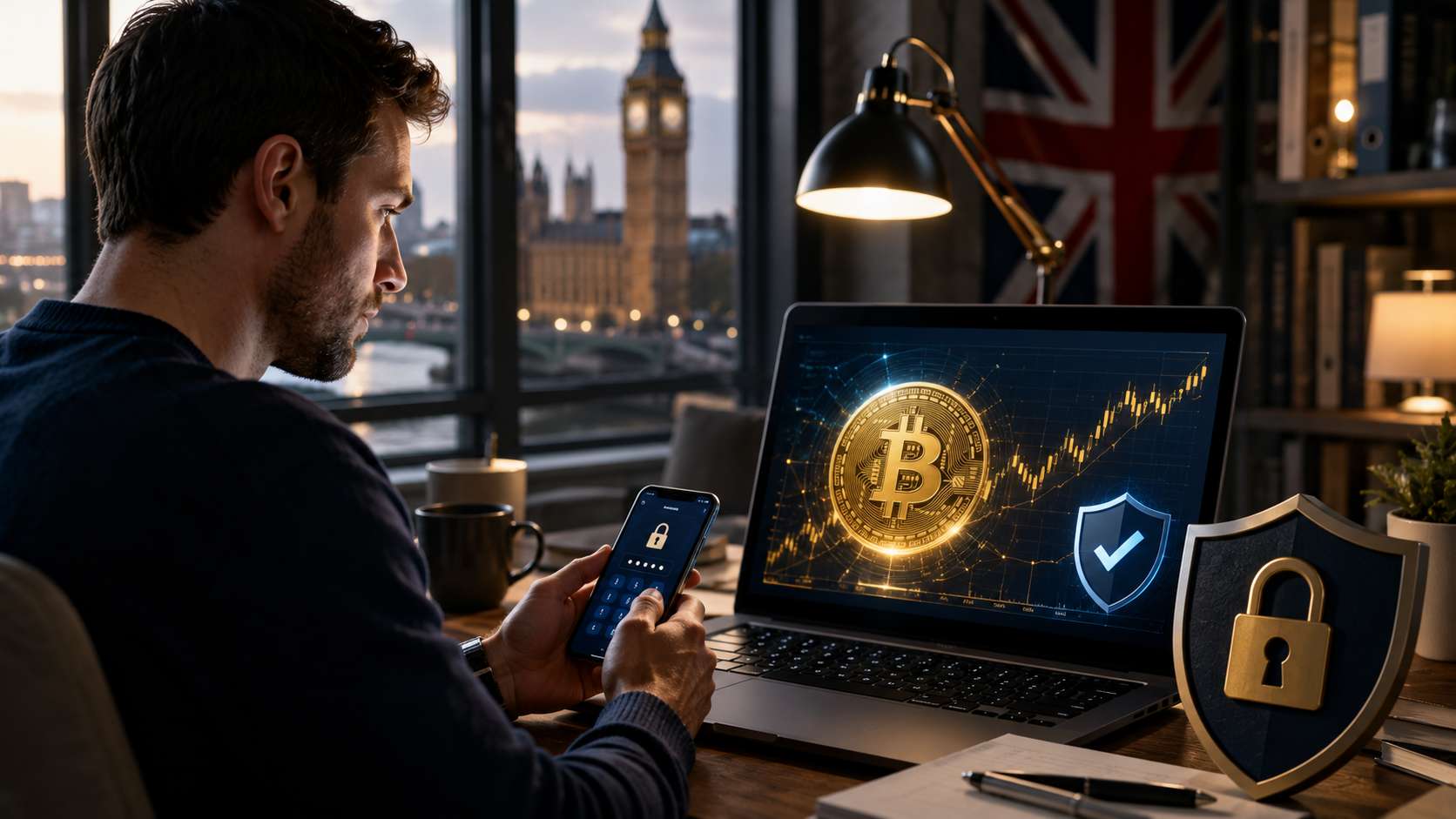
One of the biggest mistakes new investors make is ignoring security after purchasing Bitcoin.
There is a popular saying in the crypto industry:
"Not your keys, not your coins."
When Bitcoin remains on an exchange, the platform technically controls the assets on your behalf. While major exchanges invest heavily in security, keeping large balances online increases exposure to potential hacking incidents.
Storage options include:
Exchange Wallets.
Suitable for smaller holdings and active traders. Convenient but dependent on the exchange's security systems.
Hardware Wallets.
Physical devices designed to store cryptocurrency offline. These are widely considered one of the safest storage methods for long-term investors.
Software Wallets.
Apps installed on smartphones or computers. They offer greater control than exchange wallets but require careful management.
Never share your recovery phrase or private keys with anyone.
The Most Common Bitcoin Scams In The UK.
Crypto scams continue to evolve and often appear highly convincing.
UK Finance reported that investment scam losses reached £97.7 million during the first half of 2025 alone, with fake cryptocurrency investments believed to be among the leading causes.
Understanding the warning signs can help you avoid becoming a victim.
Celebrity Endorsement Scams.
Fraudsters frequently use fake advertisements featuring celebrities, business leaders or financial experts.
Many use sophisticated AI-generated videos and images to create the illusion of endorsement.
Always verify claims through official sources.
Guaranteed Returns.
No legitimate Bitcoin investment can guarantee profits.
Anyone promising risk-free returns or fixed monthly gains should be treated with extreme caution.
Fake Trading Platforms.
Some scammers create professional-looking websites displaying fake profits.
Victims may initially be allowed to withdraw small amounts to build trust before being encouraged to invest larger sums.
When attempting to withdraw significant amounts, they discover the money has disappeared.
Social Media Investment Groups.
Fraudsters often target users through Facebook, Instagram, WhatsApp, Telegram and other social platforms.
Be sceptical of unsolicited messages offering investment opportunities.
Romance Scams.
Criminals sometimes build relationships over weeks or months before introducing cryptocurrency investments.
If someone you have never met starts discussing Bitcoin opportunities, proceed with caution.
How To Check If A Crypto Firm Is FCA Registered.
One of the simplest ways to improve your safety is by checking the FCA Cryptoasset Register.
Visit the FCA website and search for the firm's name.
Review:
- Registration details
- Company information
- Warning notices
- Contact information
Be aware that scammers sometimes clone legitimate firms by using similar names and branding.
Always compare website addresses carefully.
Important Tax Considerations For UK Bitcoin Investors.
Many first-time investors incorrectly assume cryptocurrency profits are tax-free.
In reality, Bitcoin transactions can create tax obligations.
Depending on your circumstances, you may need to pay:
- Capital Gains Tax
- Income Tax
- National Insurance contributions
HM Revenue & Customs treats cryptocurrency as an asset rather than currency in most situations.
Keeping detailed records of purchases, sales and transfers can make future tax reporting significantly easier.
If you are investing substantial amounts, professional tax advice may be worthwhile.
Building A Sensible Bitcoin Investment Strategy.
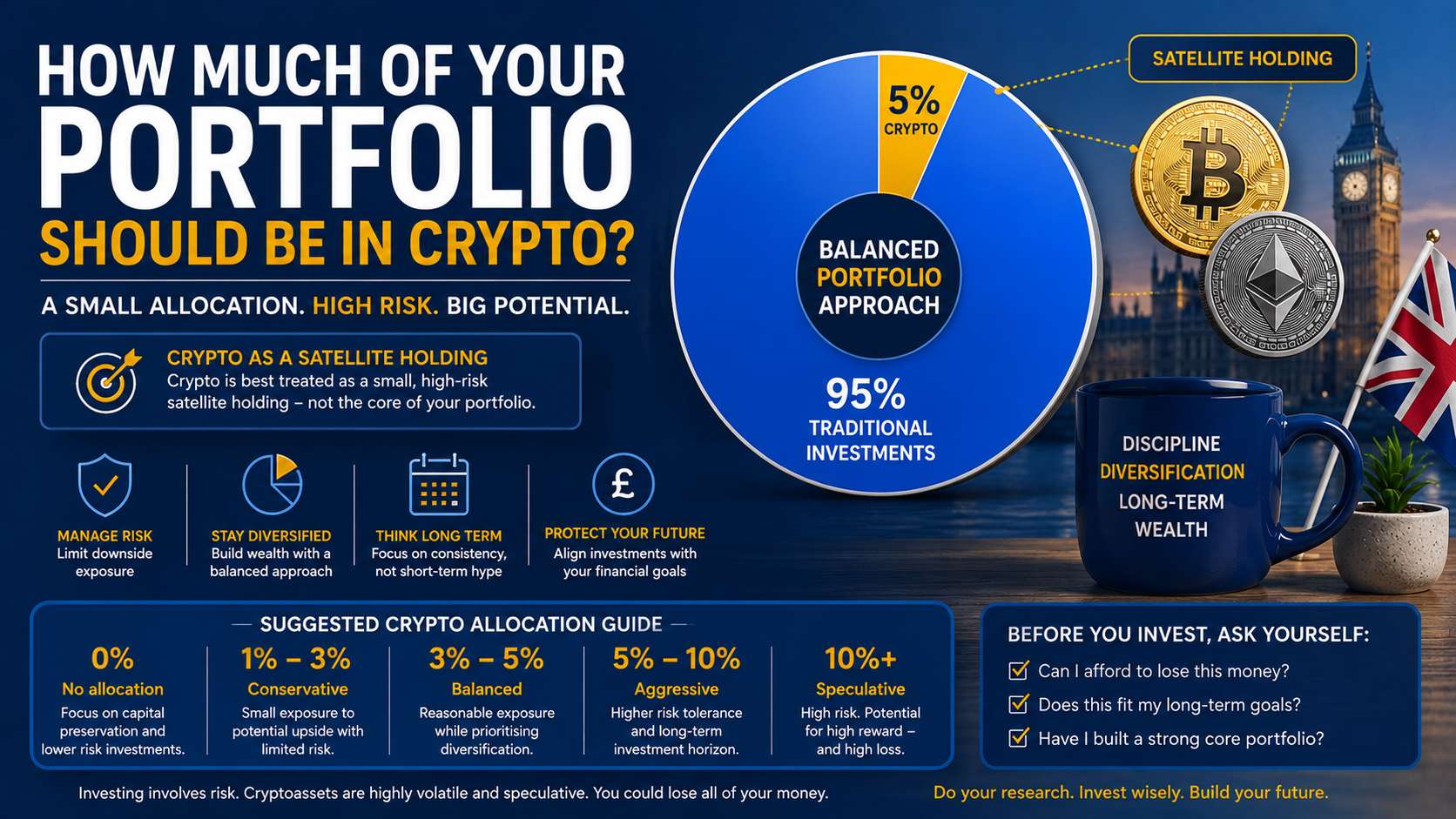
Bitcoin can be an exciting investment, but it should generally form only part of a diversified portfolio.
Experienced investors often focus on:
- Long-term investing
- Regular contributions
- Diversification
- Strong security practices
- Risk management
Avoid making decisions based solely on social media hype or fear of missing out.
Successful investing is usually about consistency and discipline rather than chasing quick profits.
Staying Safe While Investing In Bitcoin.
Bitcoin has become increasingly mainstream in the UK, but the risks remain real. Choosing an FCA-registered exchange, using strong security measures and recognising common scams can significantly reduce your chances of becoming a victim.
The safest investors are often not the ones chasing the biggest gains. They are the ones who take time to understand the market, protect their assets and make informed decisions before investing.
Whether you are buying £20 worth of Bitcoin or building a larger crypto portfolio, a cautious approach can help you navigate the market with greater confidence and peace of mind.
Want to build a stronger investing foundation? Subscribe today and get your free copy of the Investing for Beginners Handbook packed with practical tips for new investors.